Transforming
Reading Through Independence, Insight and Whole‑School Culture
with Literacy Gold
Kerry Beech is Assistant SENCO for Key Stage 2 at Cliftonville Primary School in Kent. Cliftonville is a large four-form-entry primary school with 840 pupils. The school serves a community with significant socio-economic disadvantage, with almost half of pupils eligible for Pupil Premium or Free School Meals, and a high proportion of EAL learners, including many new to English. Sixteen percent of pupils are on SEN Support, with Speech and Language needs forming a substantial part of the SEN profile.
We needed something children could do
independently, and something that gave us
measurable progress. Literacy Gold was the
only thing that did both.”
Before Literacy Gold, the school relied on TA-led interventions and Better Reading Partnership. While helpful for individual pupils, these approaches were difficult to sustain at scale due to staffing pressures and difficulties evidencing impact. Spelling had no structured intervention at all. Kerry explained that they needed something children could complete independently, reliably, and with clear data.
Why Literacy Gold Was the Right Fit
The school’s previous SENCO had been passionate about what happens when phonics doesn’t work. Kerry continued that legacy, recognising that phonics alone cannot meet every child’s needs, especially those with processing difficulties, working memory challenges, ADHD tendencies or dyslexic profiles.
Literacy Gold’ s screening tools immediately stood out because they didn ’t just flag dyslexia indicators; they identified why a child was struggling and offered precise recommendations for the right programme.
Kerry described the screening as “very bespoke”, giving staff clarity they had never had before. It allowed them to screen entire Year 3 cohorts, identify hidden needs early, and place children on the right pathway from day one.
The fact that children could complete most of the programme independently was a major advantage.

Nothing compared to
Literacy Gold. The
outcomes were far
better and far more
consistent than anything
else we’d tried.”
Implementation Across the School
Every Year 3 class was screened at the start of the year. Any child with red areas was automatically added to Literacy Gold. Priority pupils accessed the programme three times per week, while others completed it once weekly.
Sessions were largely independent, with adults supporting only when needed, such as during reading tests. Engaging Eyes quickly became a favourite among pupils, who saw it as a fun computer game rather than an intervention. Kerry noted that children often asked to complete their sessions and actively sought out the programme during reading time.
As Literacy Gold became embedded, staff buy-in grew rapidly. Initially, some teachers were unsure how they would fit it into their day, but once they saw the results, attitudes shifted. Kerry explained that teachers began approaching her directly, asking for pupils to be added to the programme.
Now that it's
embedded, teachers
incorporate it
seamlessly into their
day. The pushback
has gone
completely.”
Individual Pupil Success Stories
One particularly striking example involved a pupil with a diagnosis of dyslexia. Literacy Gold identified poor eye control, below-average working memory and very poor processing speed. As a result, staff were able to put targeted support in place that addressed the barriers affecting his reading development.
The impact was significant. By March 2026, his reading age had increased from 7 years 10 months to 12 years 4 months, representing 4 years and 6 months of progress in just 1 year and 11 months. Having exceeded age-related expectations in reading, interventions could then be redirected towards spelling development through Literacy Gold’s Spelling Tutor.
Kerry highlighted the value of this targeted approach, explaining that Literacy Gold helps staff understand that a child is struggling, and why.
It's helped understand our
children much better. We're
not guessing any more. We
can see where the difficulties
are and put the right support
in place.
”
Another pupil, eligible for Pupil Premium and Free School Meals, showed significant areas of need across all screening measures when first assessed. Through consistent use of Literacy Gold, their reading age increased from 7 years 2 months to 10 years 10 months between Autumn 2023 and May 2025, representing 3 years and 8 months of progress in just 1 year and 7 months.
Kerry reflected that pupils who had previously been disengaged from learning often developed greater confidence and independence as they began to experience success.
The school saw strong outcomes for pupils with complex SEND profiles. One pupil with autism and moderate learning difficulties made substantial progress after targeted intervention, allowing support to shift towards Engaging Eyes and spelling development ahead of Year 6 assessments.
Between April 2024 and January 2026, reading age increased from 8 years 1 month to 10 years 3 months, equating to 2 years and 2 months of progress in 1 year and 9 months. Staff highlighted Literacy Gold's ability to adapt support as pupils develop, ensuring intervention evolves alongside their changing needs.
Impact on Confidence, Independence & Classroom Learning
Teachers reported that children were more engaged in class reading and more confident in tackling texts.
Independence was a major shift; pupils who previously relied heavily on adult support could now complete Literacy Gold on their own. This independence fed directly into classroom behaviour and participation.
Kerry explained that Literacy Gold had raised the profile of reading across the school, becoming a whole‑school approach rather than an SEN-only intervention.

Engaging Eyes: A Major Driver of Fluency Gains
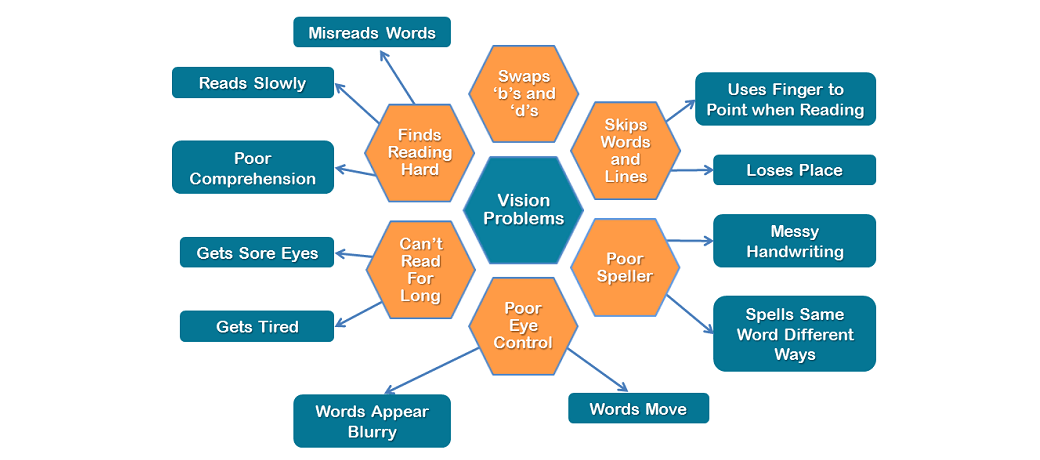
Engaging Eyes was used with the majority of pupils because of its importance for reading fluency. The school recorded huge jumps in words per minute, including increases of 188% and 240%.
This was particularly impactful for pupils with visual tracking difficulties, ADHD tendencies and dyslexic profiles
All children using
Engaging Eyes
are making huge
jumps in fluency.
”
Whole School Outcomes
Literacy Gold helped embed a strong reading culture. Children understood the importance of reading and were motivated to complete the programme because they knew it would help them. Leadership saw improved collaboration between SEN, class teachers and senior staff, with Literacy Gold becoming a key part of progress meetings and intervention planning.
Reading age is now monitored three times per year, with spelling age being introduced. Literacy Gold’s reporting tools support Arbor tracking, SEN reviews, leadership decisions and evidence for EHCP applications. Kerry described the programme as “robust, measurable and incredibly helpful for understanding children’s needs.”
Why Literacy Gold Works at Cliftonville

1. Children can complete it independently, giving staff capacity back

2. Screening identifies the exact barrier - phonics, memory,processing or visual tracking.

3. It requires no resourcing or complex setup.

4.It is particularly effective for pupils about a year behind, though beneficial for all.

5. It provides clear, robust evidence for SEN processes.
Advice for Other SENCOs
Kerry’s message to other SENCOs is:
-
Ensure laptops are available
-
Get teachers on board early
-
Trust the recommendations
-
Be consistent
Literacy Gold has enabled us to give children a measurable, thorough intervention for their reading skills, and it’s been invaluable for understanding their needs.”
Literacy Gold has been hugely positive for us. It’s allowed us to support children more efficiently and target exactly the areas they need.”